All-on-4 dental implants abroad benefit thousands of people who may have lost one or more teeth. Lost teeth can occur for a variety of reasons, such as gum disease, tooth decay, or wear and tear due to grinding. Full-mouth dental implant procedures, such as all-on-4, aim to replace most or all of your missing teeth with an artificial set. Full mouth dental implants have all the stability of natural teeth, and unlike dentures, they won’t slip in any way, even when you are talking or eating. This blog will discuss a few of the reasons why people choose full mouth dental implants abroad.


All-on-4 dental implants abroad benefit thousands of people who may have lost one or more teeth. Lost teeth can occur for a variety of reasons, such as gum disease, tooth decay, or wear and tear due to grinding. Full-mouth dental implant procedures, such as all-on-4, aim to replace most or all of your missing teeth with an artificial set. Full mouth dental implants have all the stability of natural teeth, and unlike dentures, they won’t slip in any way, even when you are talking or eating. This blog will discuss a few of the reasons why people choose full mouth dental implants abroad.
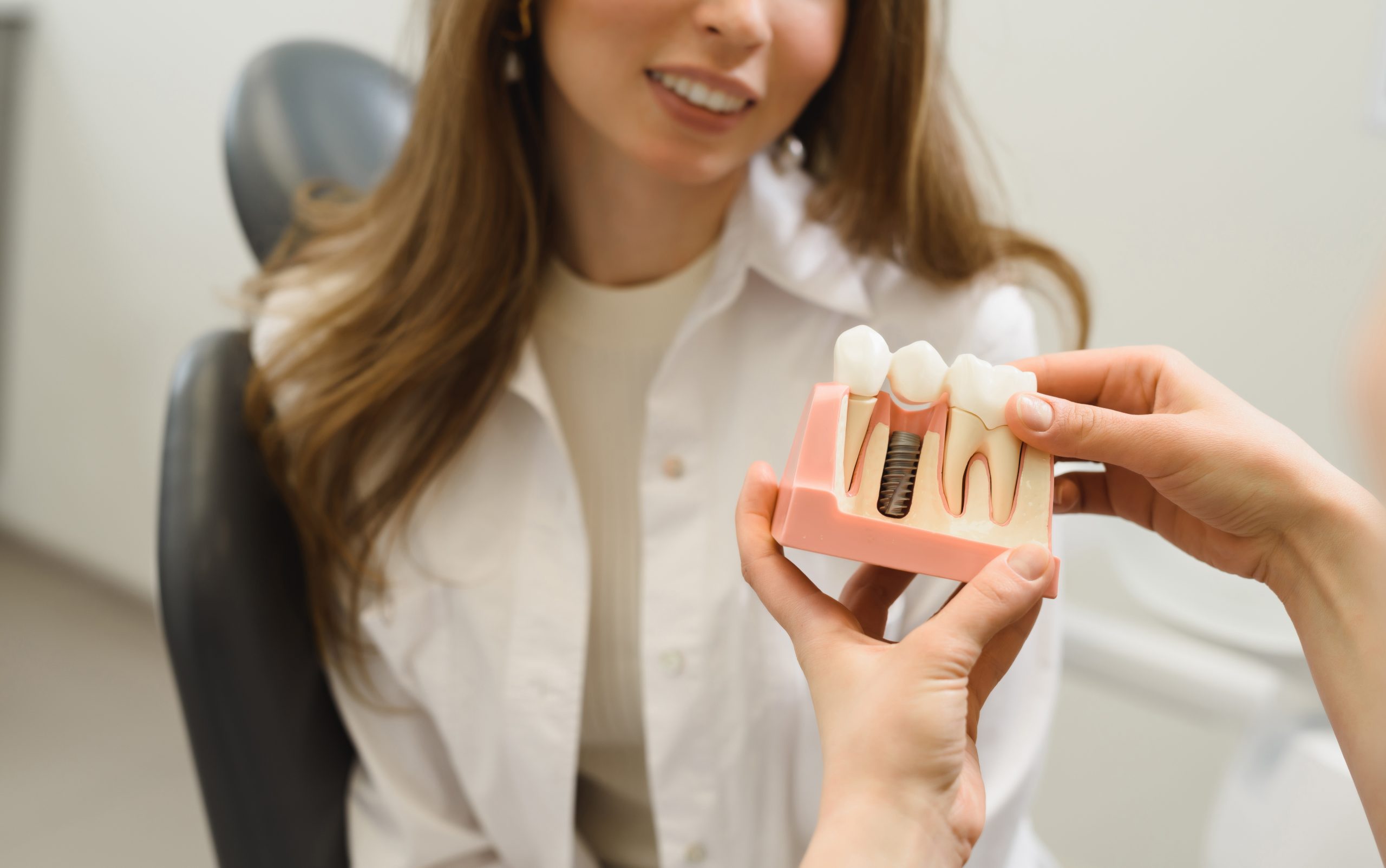
All-on-4 dental implants abroad, on average, have a lifespan of 25 to 30 years or more. In order to get the full value from your implants, you should look after them as if they were your natural teeth, brushing and flossing regularly and attending regular check-ups with your dentist.
The procedure for all-on-four dental implants overseas carries a degree of discomfort, and after the anaesthesia has worn off and the treatment is completed, you may experience light pain in the area for a while afterwards. However, that can often be simply treated with over-the-counter pain medication, such as ibuprofen.
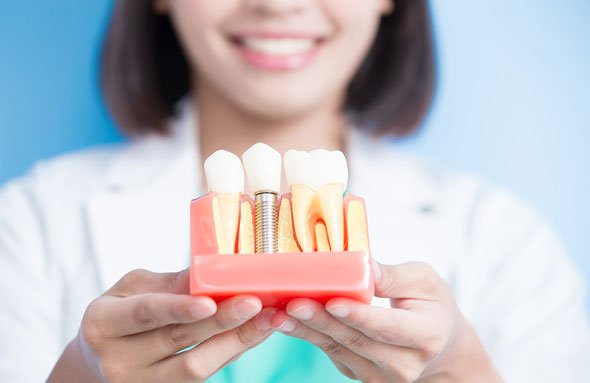
The cost of a single dental implant can range from £1,500 to £ 2,500, depending on the person’s circumstances. The dental implants abroad prices tend to be cheaper and cover all three parts of the implant: root replacement, abutment, and crown. The only other expenditure may be for X-rays and cleaning of the gums and mouth.
In very rare circumstances, a dental implant can fall out – just as you might experience with natural teeth. Should this happen, book an appointment with your clinic where an experienced dentist will examine the problem. They will be able to rectify the issue or suggest an alternative if necessary.
Yes, over the longer term. However, note that the dental cement used may take a short while to set or harden. If you’ve had full mouth fake teeth abroad treatment, follow the aftercare advice and refrain from chewing gum, sticky candy, or other food that might remove the new crown for the first few days.
Until the local anaesthetic has worn off, drink only cold fluids and avoid eating. For the first day, you should avoid drinking hot beverages or eating hot food, and do not ‘swill’ liquid over the wound. Avoid the area with your tongue or fingers as much as possible until the implant has had time to settle.
Yes, anything from one to an entire set of dentition can be replaced with dental implants. If you are looking for an entire set for your upper or lower mouth, you may be offered full mouth dental implants, provided you’re a suitable candidate for the procedure. These implants provide a long-term solution that enhances your appearance and your self-confidence.
The answer is yes; teeth implants are worth having. All-on-4 dental treatment abroad can help to preserve a healthy bite, keep remaining natural teeth in their proper position, and aid in the prevention of bone deterioration. The chewing activity’s pressure and influence may also protect the jawbone. Moreover, dental implants will improve your overall dental appearance.


2022 © Copyright Dental Implants Abroad

Please take 1 minute to complete this form or give us a call today on +44 (0) 203 488 9764