
Dental-Implants-Abroad-Colored-1024x305Logo
Your trip · Planned around you

Dental Tourism in Romania

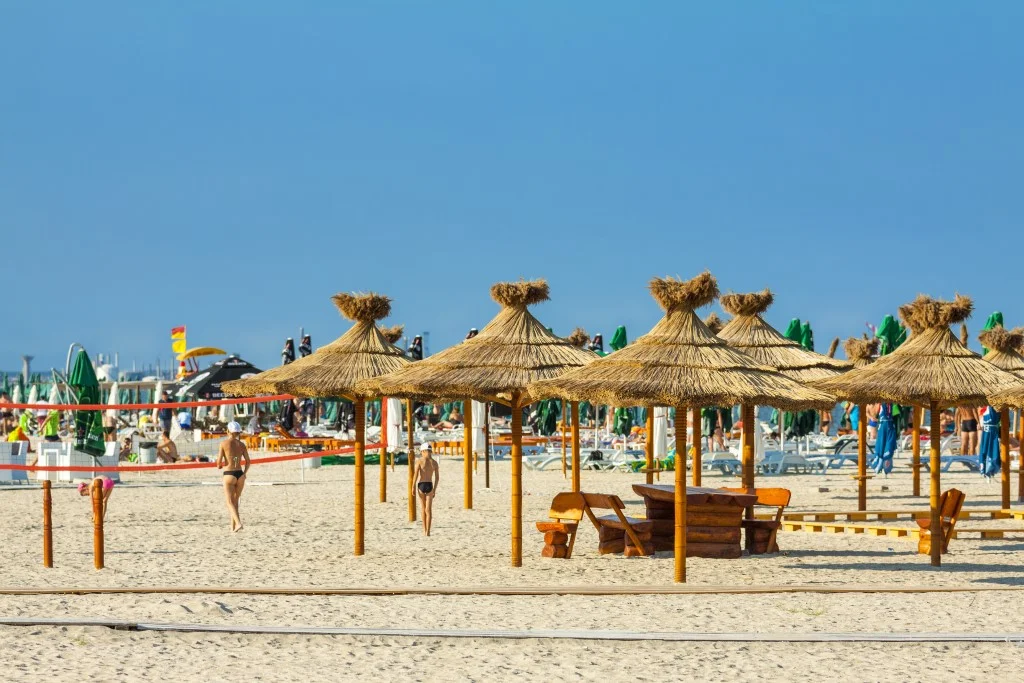
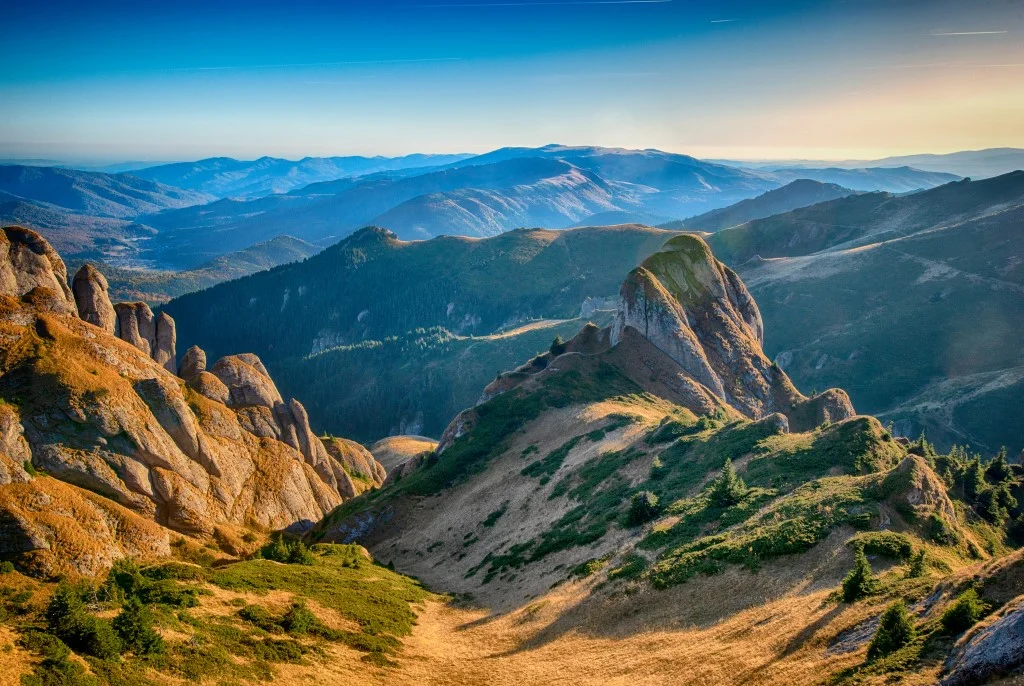
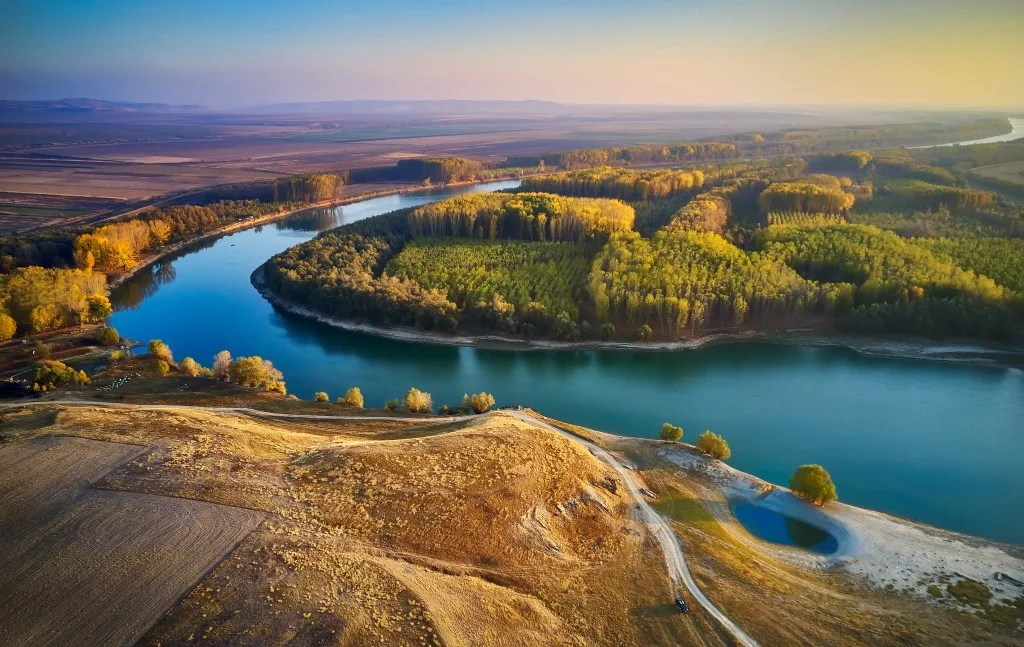
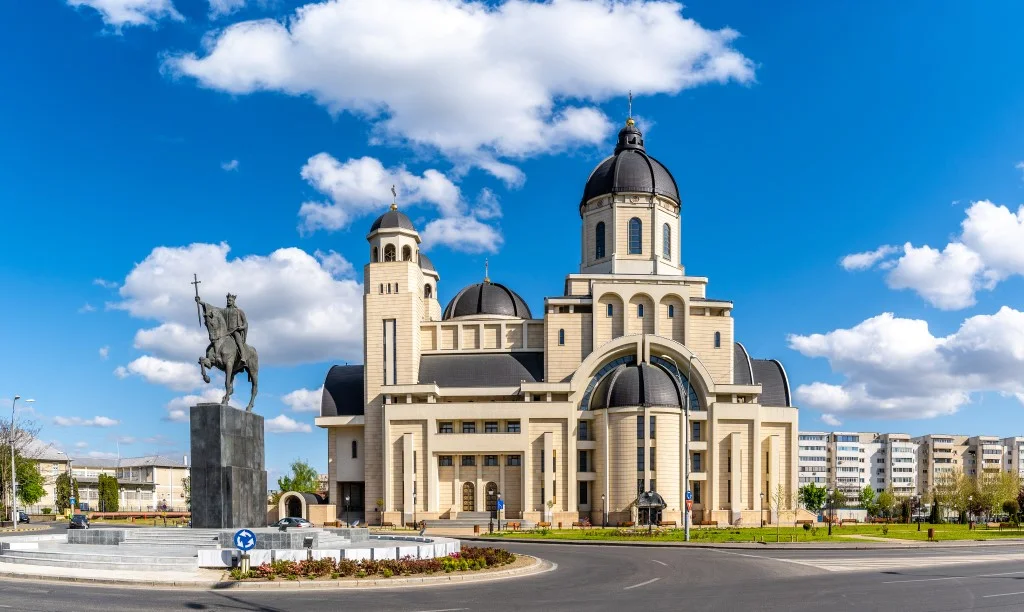
Treatment takes a few hours. The rest of the week is yours — medieval Transylvania, the Carpathian mountains, the Black Sea coast and one of Europe’s most underrated capital cities. Here is exactly how your trip works, and what to do with the time in between.
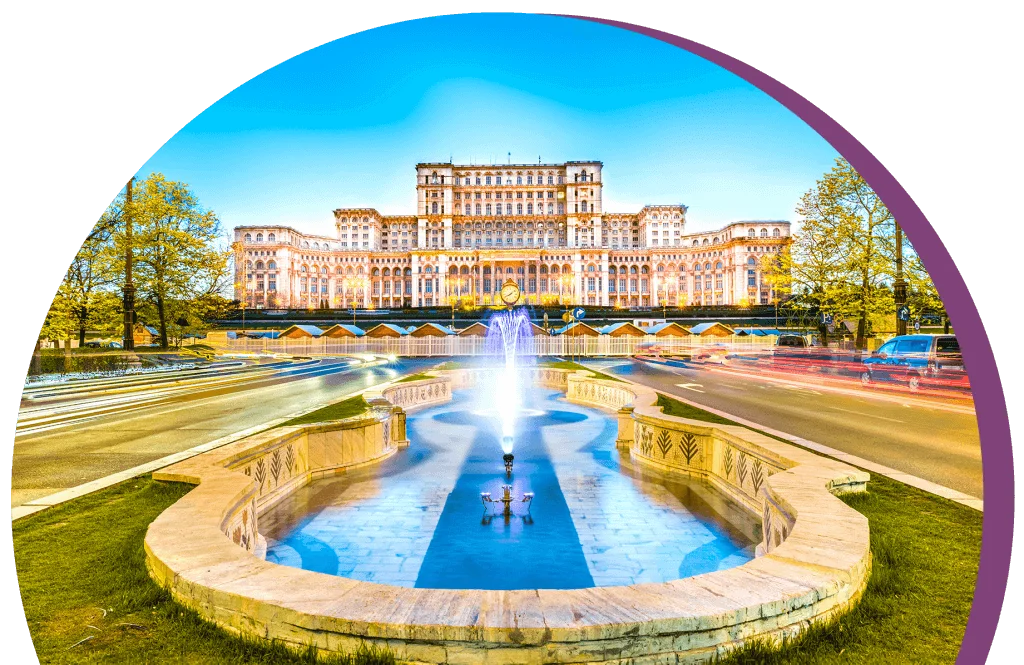
The Palace of the Parliament in Bucharest, Romania — the second-largest administrative building in the world

The Palace of the Parliament, Bucharest
~3 hrs from the UK
Flights from £50 return
We plan it all, free
Excellent · 4.6 on Trustpilot
In short

Most implant cases need two trips to Romania — around 3–5 days for the first (implant placement and temporary teeth) and about 7 days for the second, three to six months later, to make and fit the permanent teeth. Bucharest is roughly 3 hours from most UK airports with return flights typically £50–£150. Actual chair time is only a few hours per visit, so most of your stay is free to explore. We plan the flights, hotel, transfers and appointments for you at no charge.

The basics

What is dental tourism?

Dental tourism is travelling abroad to have dental treatment, usually because the same work costs far less than at home. For UK patients it most often means implants, All-on-4 or full-mouth restorations in an EU country — Romania, Poland or Hungary — where treatment costs 50–70% less than UK private prices while the implant brands, sterilisation standards and medical device regulations are the same. It is now a mainstream choice rather than a fringe one: a single implant is £450–£900 in Romania against £2,000–£3,500 in the UK, and a full mouth £6,000–£9,000 against £20,000–£36,000.

Dental tourism in Europe is concentrated in three countries: Romania, Poland and Hungary. All three are EU member states, all three are two to three hours from the UK, and between them they treat the large majority of British patients who go abroad for implants. Romania is where we place most of ours, on the balance of clinical quality and price — we compare all of them in our best country for dental implants guide.

The trade-off is travel and time, not quality — provided the clinic is properly vetted. Prices are lower because Romanian wages, premises and laboratory costs are lower, not because the materials are cheaper. The genuine risk in dental tourism is picking the wrong clinic, which is what an independent advisory exists to prevent.

The honest version

What does a dental trip to Romania actually involve?

Dental tourism in Romania is far less dramatic than the phrase suggests. You fly into Bucharest, Cluj-Napoca or Brasov, you are collected at the airport, and you spend a few hours in a clinic that looks and feels like a good private practice in London — the same Straumann and Nobel Biocare systems, the same EU regulations, English-speaking staff. Then you have three or four days with nothing scheduled.

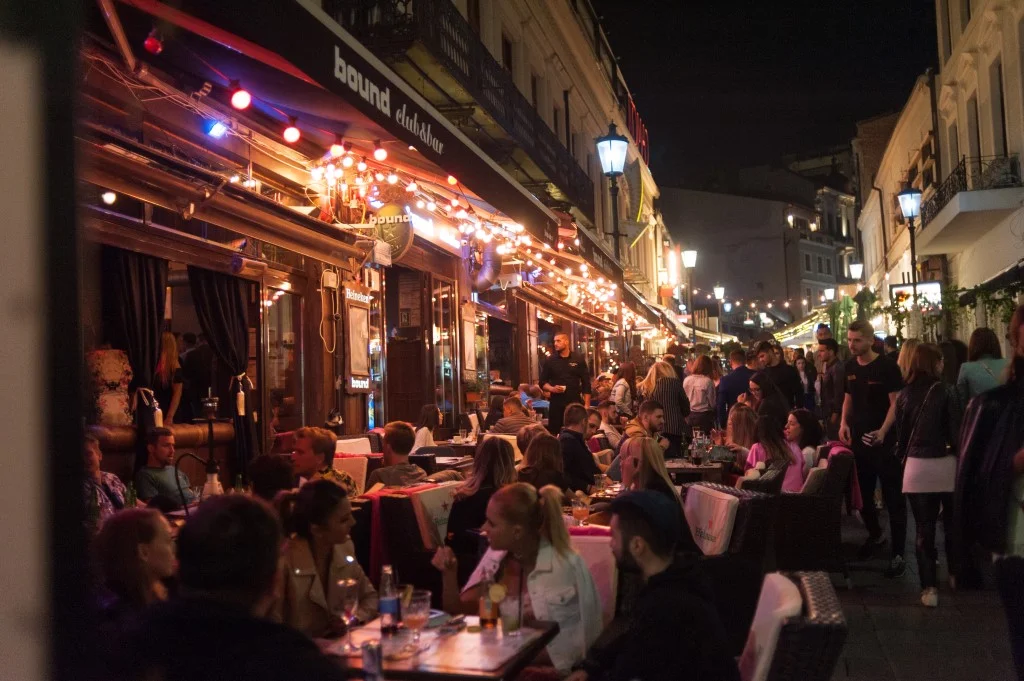
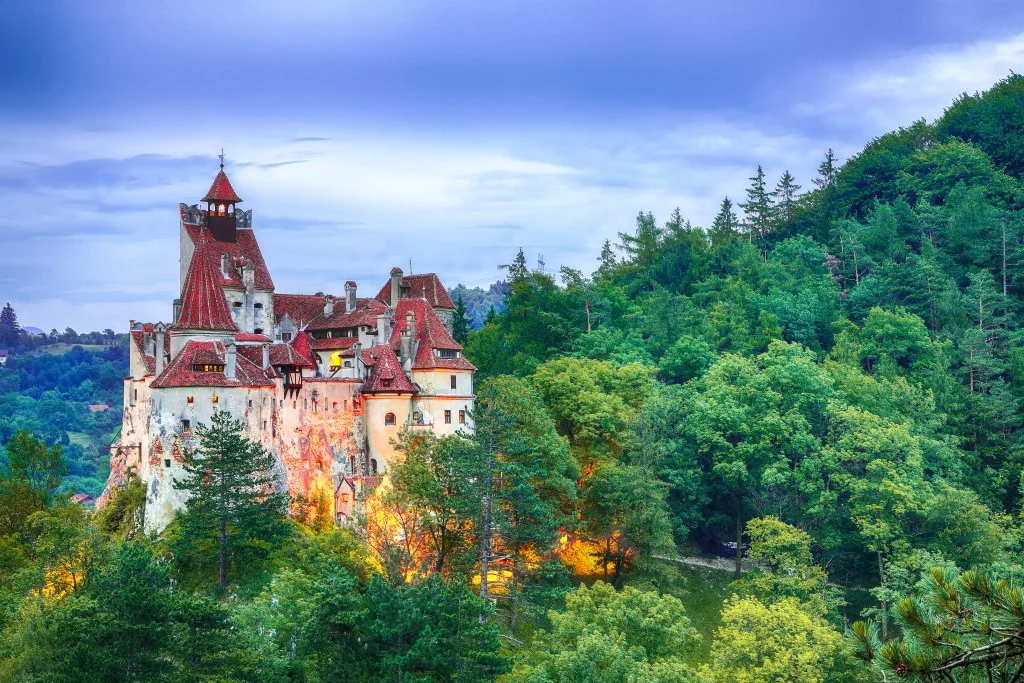
That is the part most people do not expect. You are not ill, and you are not in hospital. After implant placement you may have mild swelling for a day or two, but you can walk, eat carefully, sightsee and travel comfortably. Patients routinely use the gap to visit Bran and Peles castles, take the Transfagarasan road into the mountains, or simply enjoy Bucharest’s cafes and Old Town. Romania is one of the cheapest countries in Europe for food, taxis and hotels, so the trip itself costs very little on top of the flight.

Why Romania

“Romania holds a very special place in my heart.”

King Charles III

“HRH Prince Charles’ message of support for Romanian Tourism”, published by Team Wild Carpathia. The film was made in support of the Romanian tourism industry, narrated by His Majesty King Charles III — then Prince of Wales — on the beauty and diversity of the country. He has visited Romania regularly for decades and owns and restores traditional properties in Transylvania, where he has worked to protect Saxon villages and their craft traditions. It is a fair introduction to the country you will be travelling to.
Step by step

How many trips do dental implants abroad need?

1
First trip — placement
Consultation and CT scan on arrival, any extractions, then the implants are placed and temporary teeth fitted. You fly home with a working smile, not gaps.
3–5 days in Romania
2
Healing — at home
The implants integrate with the jawbone while you get on with normal life in the UK. We stay in contact and the clinic reviews your progress remotely.
3–6 months, no travel
3
Second trip — final teeth
Impressions are taken, the permanent crowns or bridge are made in the laboratory, then tried in, adjusted and fitted over several appointments. The lab turnaround between visits is why this trip is the longer of the two.
About 7 days in Romania
4
Aftercare — ongoing
You keep your written warranty and we remain your point of contact in the UK if anything needs attention later.
Long term

Some straightforward cases — and same-day protocols in particular — can be completed in a single longer visit. We will tell you honestly which applies to you before you book anything.

Included, at no cost to you

What we arrange for your trip

Flights & timings
We advise on the cheapest routes and sensible arrival times so you are not rushing to an appointment.
Hotel near the clinic
Negotiated rates at hotels within easy reach, chosen so you are not crossing the city after treatment.
Airport transfers
You are met on arrival and driven to your hotel and to every appointment.
Appointment scheduling
Treatment sequenced into as few days as safely possible, with free time deliberately built in.
A personal advisor
One named contact, reachable throughout your stay, in your time zone and your language.
Things to do
Trips, drivers and day tours arranged if you want them — or left alone entirely if you do not.

Our advisory service is free to you — we are paid a commission by the clinic, never by the patient. That is also why we will tell you when travelling is not worth it.

Practicalities

Flights, costs and getting around

What Typical Notes
Return flight from the UK £50–£150 Direct to Bucharest from Heathrow, Luton, Gatwick, Stansted, Manchester, Birmingham, Edinburgh
Flight time ~3 hours No connections needed from most UK airports
Hotel, per night £40–£90 Good 3–4 star, central; we negotiate rates
Meals per day £15–£30 Romania is among the cheapest countries in the EU for eating out
Documents Passport No visa for UK visitors for short stays; check current rules before travel
Currency Romanian leu (RON) Cards accepted almost everywhere

Even with flights, hotel and meals for two trips, the total travel cost is usually a small fraction of what you save on the treatment — see the full UK cost comparison.

Poland & Hungary

Dental tourism in Poland and Hungary

KrakowWarsawBudapest

We arrange treatment in Poland and Hungary too, and both are excellent destinations for a trip — Krakow and Budapest are among the most rewarding city breaks in Europe. We do not publish a standard tourism package for them, because the right itinerary depends entirely on your treatment plan, the city and the time of year. If you would like a trip built around treatment in Poland or Hungary, get in touch and we will put one together for you.

Good to know

Your trip to Romania — common questions

What is dental tourism? +
Dental tourism means travelling abroad for dental treatment because it costs significantly less than at home. For UK patients it usually means implants, All-on-4 or full-mouth work at an EU-regulated clinic in Romania, Poland or Hungary, where prices are 50–70% lower than UK private rates for the same implant brands and standards.
Is dental tourism safe? +
At a properly vetted clinic in an EU member state, yes. Romania, Poland and Hungary follow the same EU Medical Device Regulation and sterilisation standards as the UK, and dental qualifications are mutually recognised. The risk lies in the individual clinic rather than the country, which is why we verify accreditation, the implantologist’s credentials and the written warranty before you travel.
How many trips to Romania do dental implants need? +
Usually two. The first is 3–5 days for implant placement and temporary teeth, then 3–6 months of healing at home, then a second trip of about 7 days to make and fit the permanent teeth. The second visit is longer because the crowns or bridge are built in the laboratory and tried in over several appointments. Some simpler and same-day cases are completed in one longer visit.
How long do I need to stay in Romania? +
Plan on 3–5 days for the first visit and about 7 days for the second. Actual chair time is only a few hours per appointment — on the longer second trip there are gaps of a day or more while the laboratory works, which is why most patients treat it as a holiday with appointments in it.
Can I sightsee after having implants placed? +
Yes, in most cases. You may have some swelling for a day or two and will be advised to eat softly, but walking, sightseeing and short drives are all fine. We schedule the bigger appointments early in the trip so the later days are free.
Do I need a visa to travel to Romania from the UK? +
UK visitors do not currently need a visa for short stays in Romania — a valid passport is enough. Entry rules can change, so check the current Government guidance before you travel. We will flag anything relevant when we plan your dates.
How much does the trip itself cost? +
Return flights are typically £50–£150, hotels £40–£90 a night and meals £15–£30 a day. Even across two trips, travel usually adds a small fraction of what you save compared with UK treatment prices.
Do you charge for arranging the trip? +
No. Flights guidance, hotel booking, transfers, scheduling and your personal advisor are all free to you. We are paid a commission by the clinic, never by the patient.
Is it safe to travel to Romania for dental treatment? +
Romania is an EU member state and a safe, straightforward destination for UK travellers. Clinically, implants must meet the same EU Medical Device Regulation that applies in the UK, and we verify each clinic’s accreditation, credentials and warranty before you travel.
Can my partner travel with me? +
Yes, and many patients bring someone. We book the room and transfers for both of you, and because there is so much free time between appointments it works well as a short holiday rather than a medical trip.
What is the best time of year to travel? +
May, June and September are ideal — warm but not crowded. Winter is excellent for the mountains and Christmas markets, and July and August suit the Black Sea coast. Treatment is available year round.
Can you arrange a trip to Poland or Hungary instead? +
Yes. We work with vetted clinics in Krakow, Warsaw and Budapest and will build an itinerary around your treatment. We do not publish a standard tourism package for those countries, so please get in touch and we will put one together for your case and dates.
Free · no obligation

Let’s plan your trip

Tell us what treatment you are considering and roughly when you would like to travel. We will come back with a plan, a quote and an honest view of how long you will need.

Related guides
Written by James — Medical Insights Editor · Last updated 20 July 2026

James is the Medical Insights Editor for Dental Implants Abroad, creating clear, patient-focused articles that simplify complex dental topics.

Dental Implants Abroad Footer Logo
Dental Implants Abroad is your independent UK guide to safe, affordable dental implant treatment in Europe. We vet the clinics, guide you through the process, and stay by your side — from first enquiry to final fit.
Dental Implants Abroad Footer Logo
Dental Implants Abroad is your independent UK guide to safe, affordable dental implant treatment in Europe. We vet the clinics, guide you through the process, and stay by your side — from first enquiry to final fit.

2022 © Copyright Dental Implants Abroad

Dental Implants Abroad is a European dental implant advisory platform that connects international patients with vetted implant clinics across Europe.