

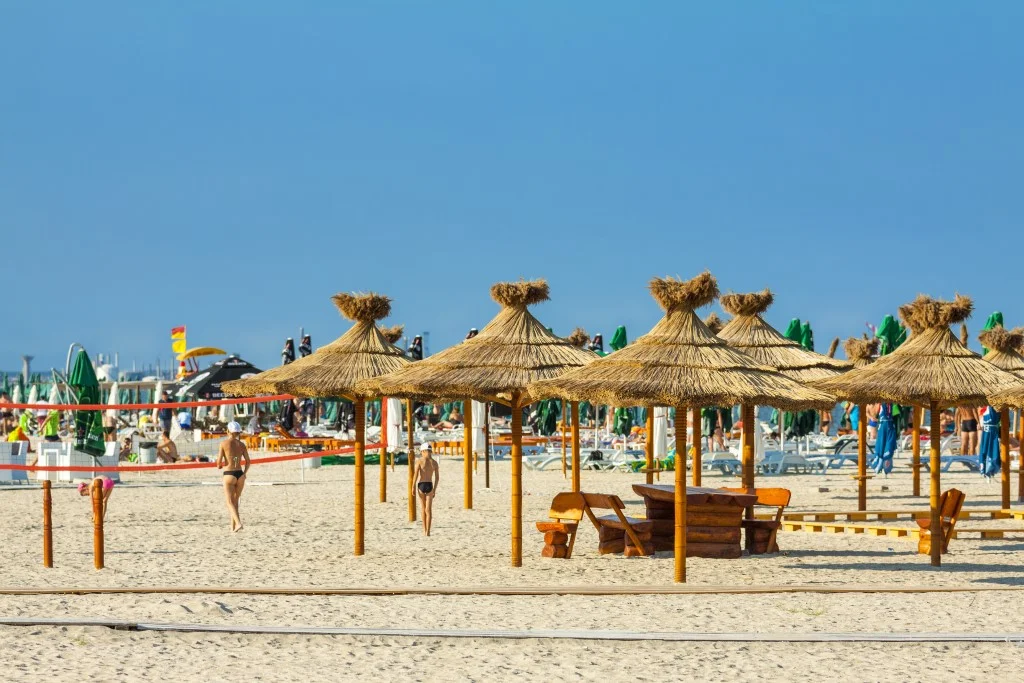
Treatment takes a few hours. The rest of the week is yours — medieval Transylvania, the Carpathian mountains, the Black Sea coast and one of Europe’s most underrated capital cities. Here is exactly how your trip works, and what to do with the time in between.
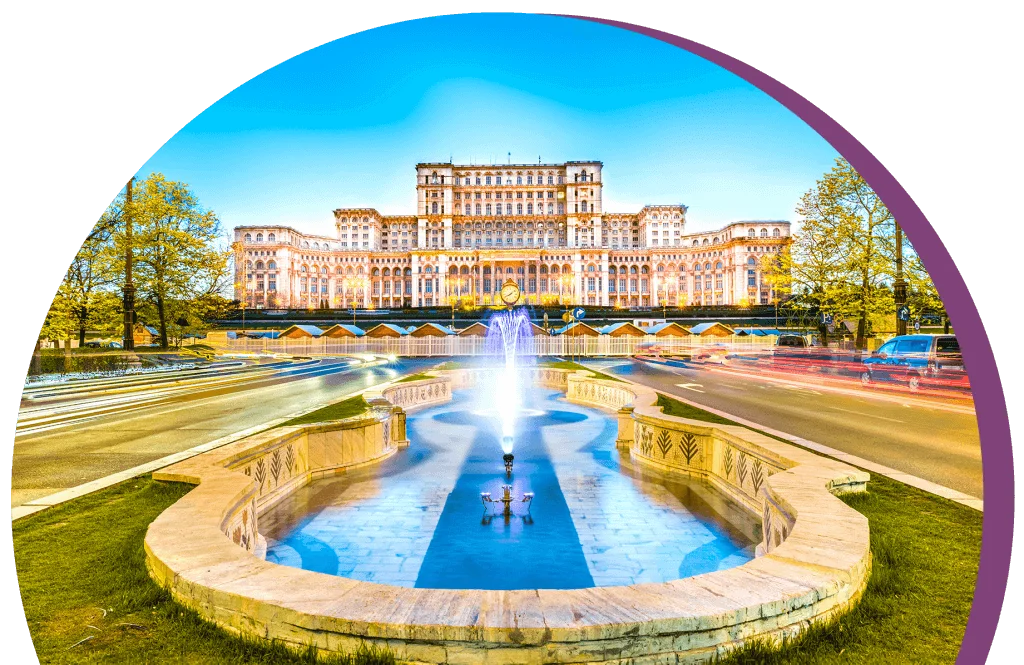
Most implant cases need two trips to Romania — around 3–5 days for the first (implant placement and temporary teeth) and about 7 days for the second, three to six months later, to make and fit the permanent teeth. Bucharest is roughly 3 hours from most UK airports with return flights typically £50–£150. Actual chair time is only a few hours per visit, so most of your stay is free to explore. We plan the flights, hotel, transfers and appointments for you at no charge.
Dental tourism is travelling abroad to have dental treatment, usually because the same work costs far less than at home. For UK patients it most often means implants, All-on-4 or full-mouth restorations in an EU country — Romania, Poland or Hungary — where treatment costs 50–70% less than UK private prices while the implant brands, sterilisation standards and medical device regulations are the same. It is now a mainstream choice rather than a fringe one: a single implant is £450–£900 in Romania against £2,000–£3,500 in the UK, and a full mouth £6,000–£9,000 against £20,000–£36,000.
Dental tourism in Europe is concentrated in three countries: Romania, Poland and Hungary. All three are EU member states, all three are two to three hours from the UK, and between them they treat the large majority of British patients who go abroad for implants. Romania is where we place most of ours, on the balance of clinical quality and price — we compare all of them in our best country for dental implants guide.
The trade-off is travel and time, not quality — provided the clinic is properly vetted. Prices are lower because Romanian wages, premises and laboratory costs are lower, not because the materials are cheaper. The genuine risk in dental tourism is picking the wrong clinic, which is what an independent advisory exists to prevent.
Dental tourism in Romania is far less dramatic than the phrase suggests. You fly into Bucharest, Cluj-Napoca or Brasov, you are collected at the airport, and you spend a few hours in a clinic that looks and feels like a good private practice in London — the same Straumann and Nobel Biocare systems, the same EU regulations, English-speaking staff. Then you have three or four days with nothing scheduled.
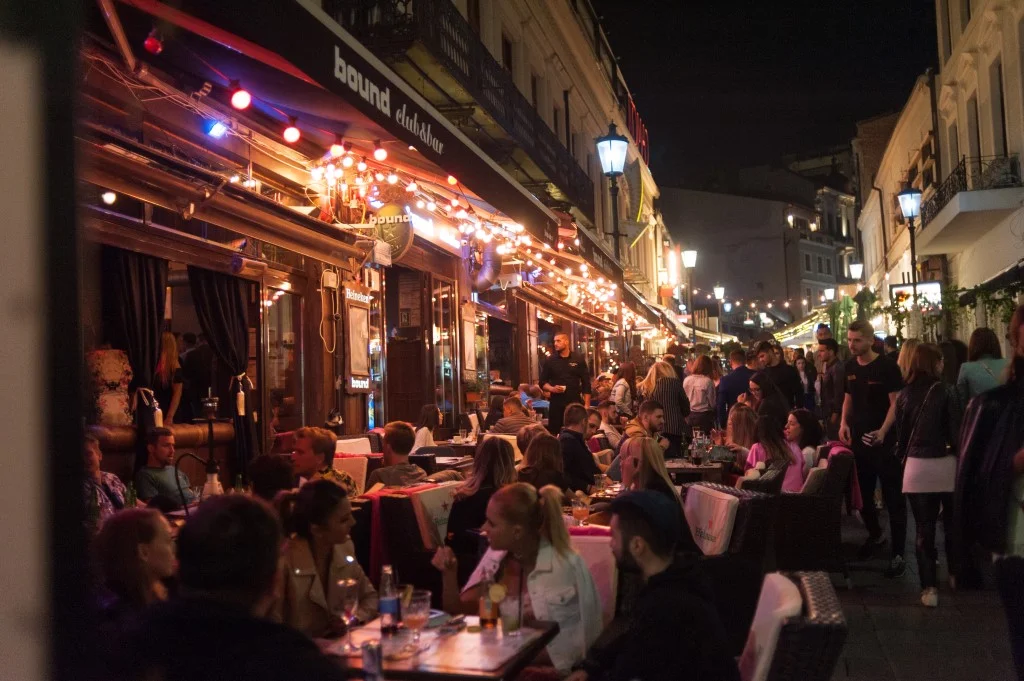
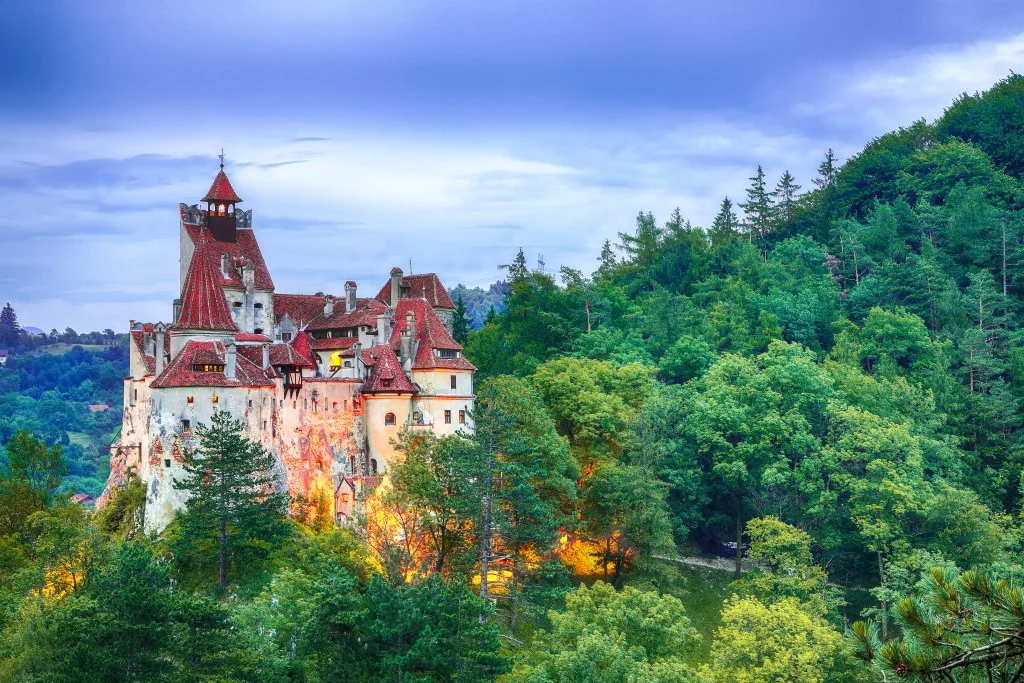
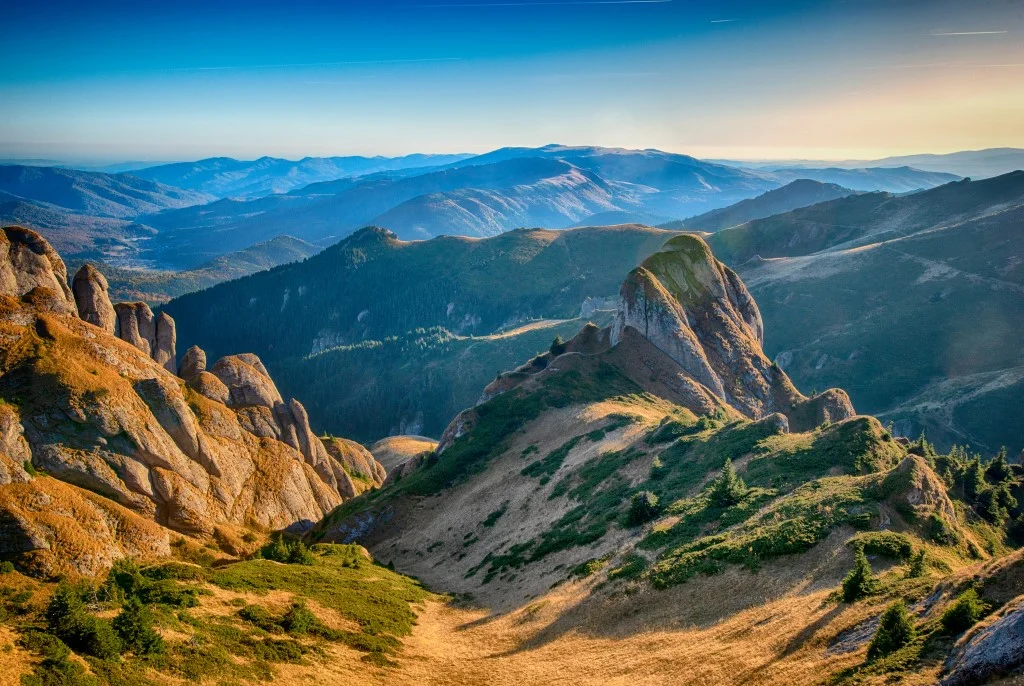
That is the part most people do not expect. You are not ill, and you are not in hospital. After implant placement you may have mild swelling for a day or two, but you can walk, eat carefully, sightsee and travel comfortably. Patients routinely use the gap to visit Bran and Peles castles, take the Transfagarasan road into the mountains, or simply enjoy Bucharest’s cafes and Old Town. Romania is one of the cheapest countries in Europe for food, taxis and hotels, so the trip itself costs very little on top of the flight.
“Romania holds a very special place in my heart.”
“HRH Prince Charles’ message of support for Romanian Tourism”, published by Team Wild Carpathia. The film was made in support of the Romanian tourism industry, narrated by His Majesty King Charles III — then Prince of Wales — on the beauty and diversity of the country. He has visited Romania regularly for decades and owns and restores traditional properties in Transylvania, where he has worked to protect Saxon villages and their craft traditions. It is a fair introduction to the country you will be travelling to.
Some straightforward cases — and same-day protocols in particular — can be completed in a single longer visit. We will tell you honestly which applies to you before you book anything.
Our advisory service is free to you — we are paid a commission by the clinic, never by the patient. That is also why we will tell you when travelling is not worth it.
| What | Typical | Notes |
|---|---|---|
| Return flight from the UK | £50–£150 | Direct to Bucharest from Heathrow, Luton, Gatwick, Stansted, Manchester, Birmingham, Edinburgh |
| Flight time | ~3 hours | No connections needed from most UK airports |
| Hotel, per night | £40–£90 | Good 3–4 star, central; we negotiate rates |
| Meals per day | £15–£30 | Romania is among the cheapest countries in the EU for eating out |
| Documents | Passport | No visa for UK visitors for short stays; check current rules before travel |
| Currency | Romanian leu (RON) | Cards accepted almost everywhere |
Even with flights, hotel and meals for two trips, the total travel cost is usually a small fraction of what you save on the treatment — see the full UK cost comparison.
We arrange treatment in Poland and Hungary too, and both are excellent destinations for a trip — Krakow and Budapest are among the most rewarding city breaks in Europe. We do not publish a standard tourism package for them, because the right itinerary depends entirely on your treatment plan, the city and the time of year. If you would like a trip built around treatment in Poland or Hungary, get in touch and we will put one together for you.
Tell us what treatment you are considering and roughly when you would like to travel. We will come back with a plan, a quote and an honest view of how long you will need.

2022 © Copyright Dental Implants Abroad

Please take 1 minute to complete this form or give us a call today on +44 (0) 203 488 9764